
Apply For Finance!
The following documents will be required as soon as you have a received an offline application form from us
For Registered Businesses:
- Business registration papers
- 3 months stamped bank statements of the business and all members
- Proof of address for the business
- Proof of address for all members (account or utility bill not older than 3 months)
- Copies of all members ID
For Individuals / Self Employed:
- 3 months payslips (over time or commission to be stated)
- Copy of ID
- Proof of address (account or utility bill not older than 3 months)
- Copy of Driver’s License (if available)
- 3 months bank statements (Stamped)
- If married – spouse payslip & certified copy of ID (Include driver’s license if available)
Car Finance
The car-buying process: What are my options?
So, you’ve decided it’s time to buy a car. Whatever your reasons for buying a new or pre-loved set of wheels, here are a few things you should be aware of before making this giant leap.
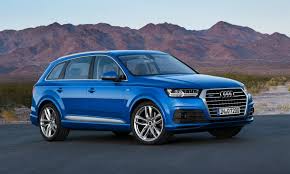
Don’t make debt just yet
Driving that fully paid-up car for as long as you possibly can (if it’s still safe and reliable) means you can save your money to put down a larger deposit on the new car which meets your needs. Knowing what your needs are will help you to find a car that will suit your lifestyle as well as your budget. Will you be driving kids around? Are you going to drive mostly in town or beyond? Do you need space for sports equipment? Also bear in mind that your choice of car will also influence how much your monthly car insurance payment will be. A sensible, mid-power car will cost you less than a sporty number with a very powerful engine. Click here to read how you can bring down your insurance premium.
Should I buy a new or a used car?
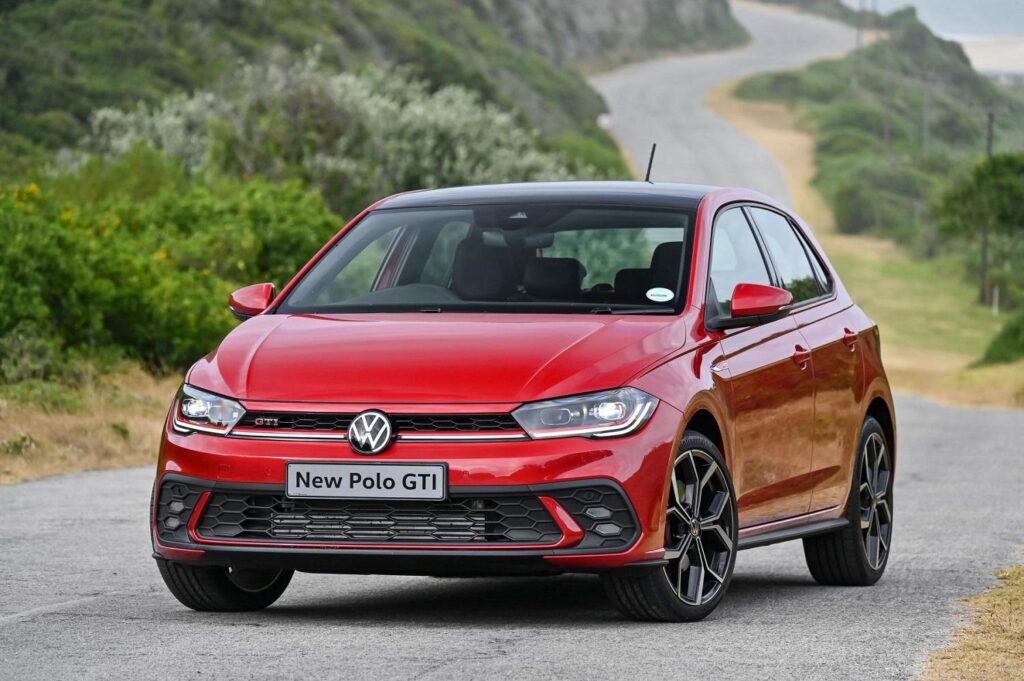
The number of reliable, used cars that can be bought for the same money as a new entry-level Polo Vivo hatch, is staggering. But, as always, it pays to be careful what you buy. A 10-year-old BMW 750i might seem like a steal at only R150 000 (as an example), but remember that it’s a complicated car with lots of intricate parts – and when it does go wrong, it will cost you a fortune to repair.
Make a sensible choice
Your best bet would be to rather look for a low-mileage, late-model car, slightly upmarket from what you can afford to buy new. For instance, you could get a 3-year-old Nissan Qashqai with about 60 000 km for less than you’d pay for a basic new Polo Vivo, and it’s fair to say that a lightly used Qashqai is far more comfortable. Demo models are readily available and have already depreciated, but usually have low mileage, so you get the best of both worlds.
Okay, so once you’ve decided what you want and need, it’s time to learn more about all the various finance options.
Should I be buying from a dealer or buying privately?
While the private seller’s car is perhaps being sold for a better price than the dealership’s, the bank will most likely not finance private sales. If you can secure a personal loan beforehand (preferably not from a loan shark!), there are some good deals to be had from a private seller. But it has its pitfalls too. We recommend that you read Buying Privately: the Pros and Cons.
Should I buy my car with cash?
When buying a car, cash is king, since you’ll be saving all of that interest you would have spent extra on those monthly instalments. But don’t walk into the dealership with a duffel bag full of R200 notes. Firstly, they can’t accept more hard cash than 25k, and secondly, you may not be able to bargain as much as you’d like, since the dealership makes a fair bit of their money off Joe Public by financing his car. If you do plan on paying cash, wait until you’ve agreed on a price before transferring those funds
Should my current car be completely paid up before I trade in?
If you plan on getting your next car financed, try to pay it off so that you can be debt-free before trading it in again. Most car-finance houses agree that a fully paid-up car will prove much more useful come trade-in time, as any money the dealer offers for your old car can be used for the new one. This translates to less money borrowed from the bank, which means you can pay the new car off that much sooner. When the time comes for your next trade-in, you will be in a much better position to buy something your heart truly desires.
Should I steer clear of balloon payments, or is it a good solution if I’m cash-strapped?
A balloon payment will require you to pay a large amount of money still owed on the car when your contract comes to an end. Quite often people do not realize they won’t be able to afford this, and have to sell the car to settle the payment. The result? Another vicious circle of debt rears its ugly head. Longer finance periods and large balloon payments will reduce monthly payments, but there are definite disadvantages. You’ll end up spending a lot more on the interest over the longer period of the loan, and a balloon payment, also subject to interest, could attract even more charges should a buyer decide to refinance.
(Click here to read more about who is eligible for car finance, and click here to read more about getting someone to sign surety for your car-finance agreement.